
Key Takeaways
-
Swimming is a great exercise for individuals with diabetes, but safety measures are crucial.
-
Always monitor blood glucose levels before, during, and after swimming to avoid hypoglycemia.
-
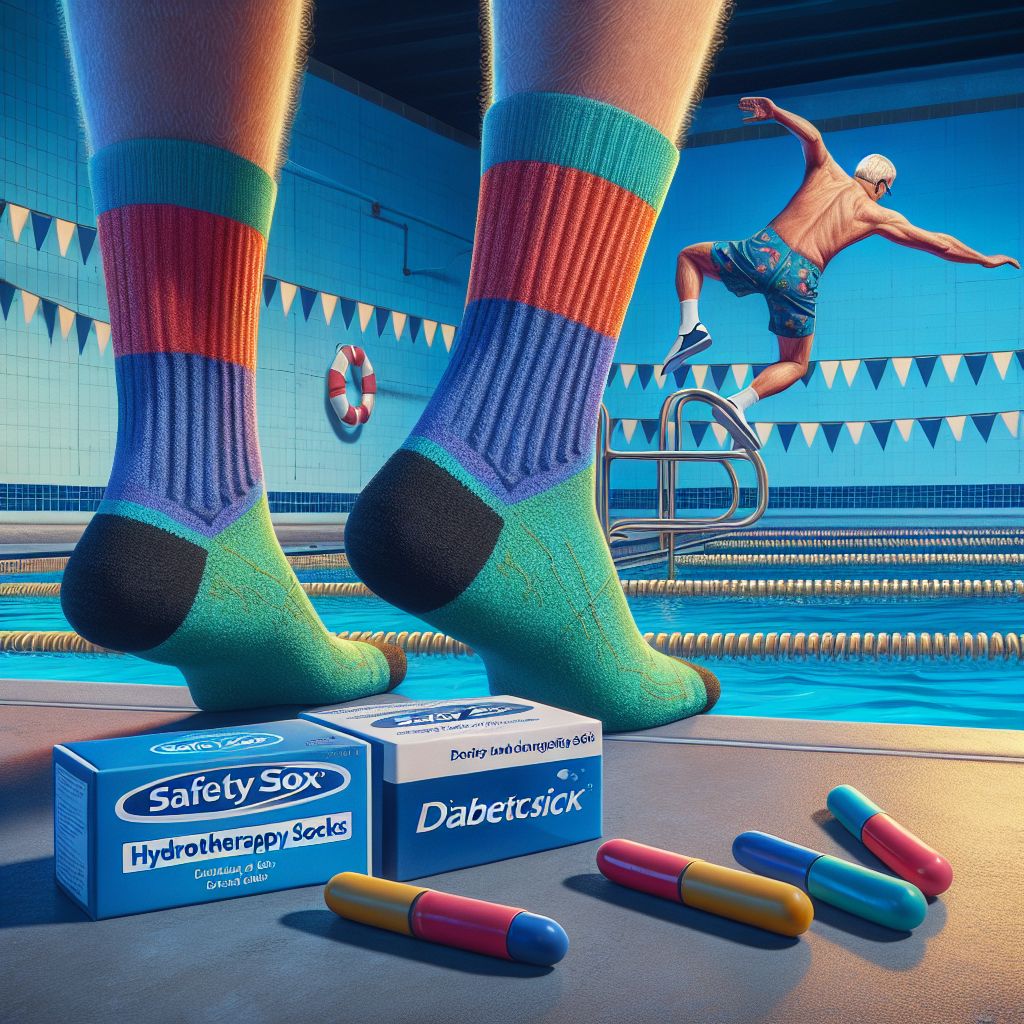
Wearing SafetySox Hydrotherapy socks can prevent foot injuries and provide a secure grip.
-
Foot care is essential; always inspect your feet for cuts or blisters after swimming.
-
Stay hydrated and keep quick-acting glucose sources nearby in case of low blood sugar.
Introduction to Diabetic Pool Safety
Swimming is an excellent form of exercise for everyone, including those with diabetes. It provides a full-body workout, improves cardiovascular health, and is gentle on the joints. However, for individuals with diabetes, it’s important to take extra precautions to ensure safety in the pool.
Importance of Pool Safety
When you have diabetes, your body’s ability to manage blood sugar levels can be unpredictable, especially during physical activities like swimming. Therefore, it’s crucial to understand the importance of pool safety. Proper precautions can prevent serious complications and ensure that you get the most out of your swimming routine.
Common Risks in the Pool for Diabetic Individuals
Swimming poses specific risks for people with diabetes. Hypoglycemia, or low blood sugar, is one of the most common risks because physical activity can lower blood sugar levels. Besides that, the risk of foot injuries and infections increases due to prolonged exposure to water.
“Blood glucose levels tend to decline during diving, probably because of changes in insulin requirements and resistance, due to increased physical activity and effects of the hyperbaric environment on glucose tolerance.”
Additionally, dehydration can affect blood sugar control, making it essential to stay hydrated while swimming. For those with diabetes, using SafetyStep Hydrotherapy socks can provide added protection and comfort during water activities.
Benefits of Staying Active Through Swimming
Despite the risks, swimming offers numerous benefits for individuals with diabetes. Regular physical activity helps control blood sugar levels, improves cardiovascular health, and enhances overall well-being. Swimming is also a low-impact exercise, making it ideal for those with joint issues.
Furthermore, swimming can help with weight management, which is crucial for diabetes management. The buoyancy of water reduces stress on the body, allowing for a more extended and effective workout. For more information on the benefits, check out the health benefits of HydroHealth diabetic socks.
Why Diabetic Pool Safety is Crucial

Ensuring pool safety for individuals with diabetes is not just about preventing accidents; it’s about managing health effectively. Understanding the potential health complications and taking proactive steps can make swimming a safe and enjoyable activity.
Potential Health Complications
People with diabetes need to be aware of several potential health complications when swimming. Hypoglycemia is a significant concern, as it can lead to dizziness, confusion, and even loss of consciousness. Besides that, foot injuries and infections are common due to neuropathy and reduced healing capabilities.
Dehydration is another critical factor. It can cause blood sugar levels to spike, leading to hyperglycemia. Therefore, it’s essential to stay hydrated and monitor blood sugar levels regularly.
-
Hypoglycemia
-
Foot injuries and infections
-
Dehydration
Frequent Monitoring and Management
Frequent monitoring of blood glucose levels is essential for diabetic swimmers. Always check your blood sugar before, during, and after swimming. This helps in managing any fluctuations and taking necessary actions promptly.
Proactive Steps for Safe Swimming
To ensure safe swimming, take proactive steps such as wearing appropriate swim gear like SafetySox Hydrotherapy socks. These socks provide a secure grip, preventing slips and falls. They also protect your feet from injuries and infections.
Always have quick-acting glucose sources, like glucose tablets or juice, nearby. This can help in managing sudden drops in blood sugar levels. Additionally, stay hydrated by drinking water before, during, and after your swim.
Common Risks and Challenges for Diabetic Swimmers
Understanding the common risks and challenges can help you prepare better and enjoy a safe swimming experience. Here are some key challenges: choosing the perfect swim socks for water therapies.
Hypoglycemia and Swimming
Hypoglycemia is a significant risk for diabetic swimmers. Physical activity increases insulin sensitivity, leading to lower blood sugar levels. Therefore, it’s crucial to monitor your blood sugar levels closely and take preventive measures.
Foot Injuries and Infections
Foot injuries and infections are common concerns for diabetic swimmers. Due to neuropathy, many individuals with diabetes have reduced sensation in their feet, making it difficult to notice cuts, blisters, or other injuries. These injuries can become infected easily, especially in a moist environment like a swimming pool.
Always inspect your feet before and after swimming. Look for any signs of redness, swelling, cuts, or blisters. If you notice any injuries, treat them immediately and consult your healthcare provider if necessary. Wearing protective swim gear, such as SafetySox Hydrotherapy socks, can help prevent these injuries by providing a barrier between your feet and the pool surface.
Dehydration and Blood Sugar Levels
Dehydration is a significant risk for diabetic swimmers. It can lead to elevated blood sugar levels, causing hyperglycemia. When you swim, your body loses fluids through sweat, even if you don’t feel it. Therefore, staying hydrated is essential for maintaining stable blood sugar levels.
Drink plenty of water before, during, and after swimming. Avoid sugary drinks, as they can cause blood sugar spikes. If you experience symptoms of dehydration, such as dizziness, dry mouth, or dark urine, take a break and rehydrate immediately.
Effective Strategies for Ensuring Safe Swimming
Implementing effective strategies can help you enjoy swimming safely and prevent complications. Here are some key steps to follow: Read more about swimming safety.
Pre-Swim Preparations
Preparation is key to ensuring a safe swimming experience. Before you head to the pool, make sure you have everything you need to manage your diabetes effectively. This includes monitoring your blood sugar levels, having quick-acting glucose sources, and wearing appropriate swim gear.
Check your blood sugar levels at least 30 minutes before swimming. If your levels are too low, eat a snack to raise them to a safe range. If they are too high, wait until they stabilize before swimming. Always carry quick-acting glucose sources, such as glucose tablets or juice, in case you need to raise your blood sugar levels quickly. For additional protection, consider using MedGuard diabetic water socks which offer antimicrobial properties.
Monitoring Blood Glucose Levels
Monitoring your blood glucose levels is crucial for preventing hypoglycemia and hyperglycemia. Check your levels before, during, and after swimming to ensure they remain within a safe range. This helps you take immediate action if your levels fluctuate.
Consider using a continuous glucose monitor (CGM) to track your blood sugar levels in real-time. CGMs can provide alerts if your levels drop too low or rise too high, allowing you to take corrective measures promptly. If you don’t have a CGM, set reminders to check your levels at regular intervals. For additional comfort, you might want to explore HydroHealth diabetic socks which can provide extra support during your daily activities.
Choosing the Right Swim Gear
Wearing the right swim gear can make a significant difference in your safety and comfort. SafetySox Hydrotherapy socks are an excellent choice for diabetic swimmers. These socks provide a secure grip, preventing slips and falls. They also protect your feet from cuts, blisters, and infections.
Besides SafetySox, consider wearing a swim cap and goggles to protect your hair and eyes from chlorine. Choose a comfortable and supportive swimsuit that allows you to move freely in the water. For additional tips, check out our guide on choosing the perfect swimform diabetic socks for water therapies.
Post-Swim Care
After swimming, take the time to care for your body and manage your diabetes. Start by checking your blood sugar levels to ensure they are within a safe range. If your levels are low, eat a snack to raise them. If they are high, take the necessary steps to bring them down.
Dry your feet thoroughly and inspect them for any signs of injury. Apply moisturizer to keep your skin hydrated and prevent cracking. If you notice any cuts, blisters, or other injuries, treat them immediately and consult your healthcare provider if necessary.
Introduction to SafetySox Hydrotherapy Socks
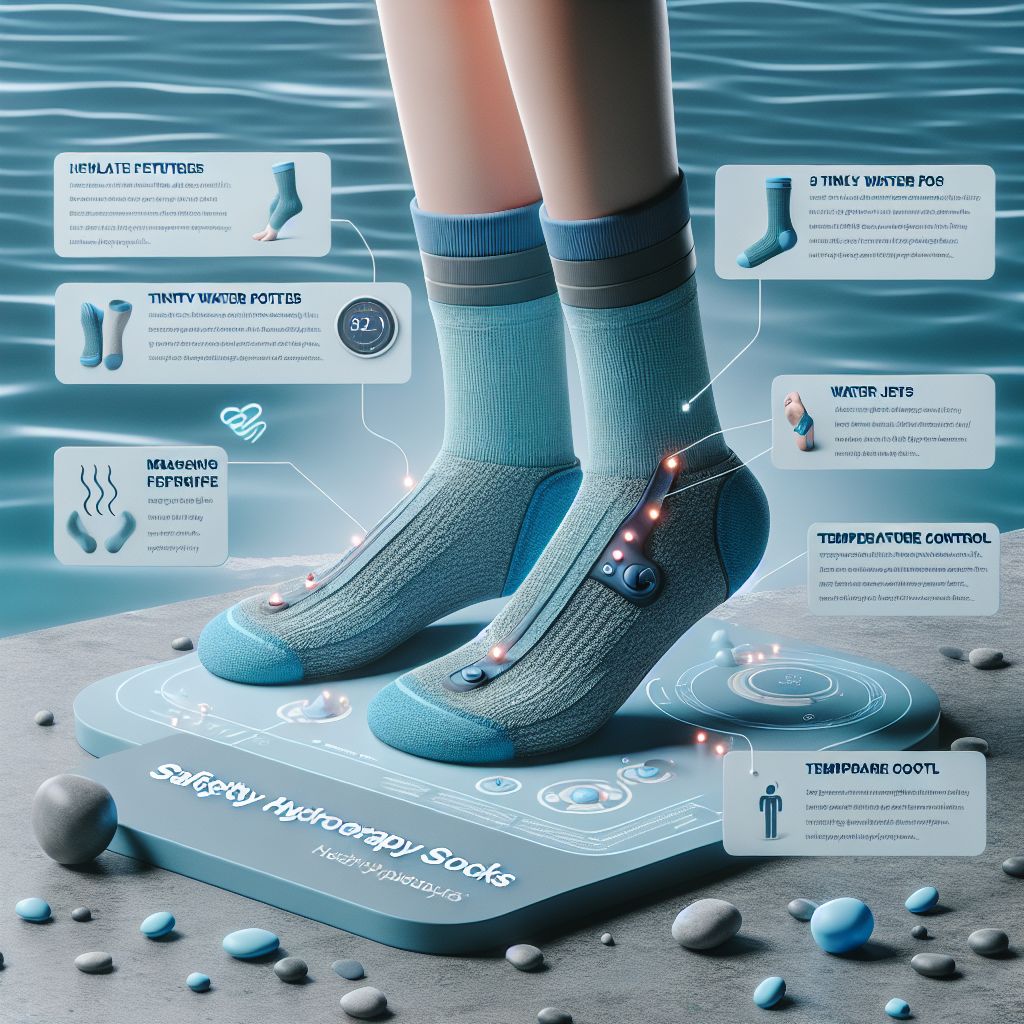
SafetySox Hydrotherapy socks are specifically designed to enhance pool safety for diabetic individuals. These socks provide a secure grip, protect your feet from injuries, and offer a comfortable fit. They are an essential addition to your swim gear, ensuring you can enjoy swimming safely and confidently.
What Are SafetySox Hydrotherapy Socks?
SafetySox Hydrotherapy socks are specially designed socks for diabetic individuals who enjoy swimming. They provide a secure grip on wet surfaces, preventing slips and falls. These socks also protect your feet from cuts, blisters, and infections, making them an essential part of your swim gear. Learn more about the breakthrough water-resistant technology used in these socks.
Design and Features
SafetySox Hydrotherapy socks are made from high-quality materials that provide durability and comfort. They feature a non-slip sole that offers excellent grip on wet surfaces, reducing the risk of slips and falls. The socks are also designed to fit snugly, providing support and comfort without restricting blood flow.
The socks are made from moisture-wicking materials that keep your feet dry and comfortable. They also have antimicrobial properties that prevent the growth of bacteria and fungi, reducing the risk of infections. SafetySox Hydrotherapy socks are available in various sizes and colors, ensuring a perfect fit for everyone.
How They Enhance Pool Safety
SafetySox Hydrotherapy socks enhance pool safety by providing a secure grip on wet surfaces. This prevents slips and falls, reducing the risk of injuries. The socks also protect your feet from cuts, blisters, and infections, ensuring you can enjoy swimming without worrying about foot injuries.
Additionally, the moisture-wicking and antimicrobial properties of the socks keep your feet dry and prevent the growth of bacteria and fungi. This further reduces the risk of infections and ensures your feet remain healthy and comfortable.
Benefits of Using SafetySox Hydrotherapy Socks
Using SafetySox Hydrotherapy socks offers numerous benefits for diabetic swimmers. These socks provide improved grip and stability, protect against foot injuries, and offer a comfortable fit. Let’s explore these benefits in detail:
Improved Grip and Stability
One of the main benefits of SafetySox Hydrotherapy socks is their improved grip and stability. The non-slip sole provides excellent traction on wet surfaces, preventing slips and falls. This ensures you can move confidently in and around the pool without worrying about losing your balance.
Besides that, the snug fit of the socks provides additional support and stability, reducing the risk of injuries. Whether you’re swimming, walking on the pool deck, or using the locker room, SafetySox Hydrotherapy socks keep you safe and secure.
Protection Against Foot Injuries
Foot injuries are a common concern for diabetic swimmers, but SafetySox Hydrotherapy socks offer excellent protection. The socks create a barrier between your feet and the pool surface, preventing cuts, blisters, and other injuries. This is especially important for individuals with neuropathy, who may not feel injuries until they become serious.
The antimicrobial properties of the socks also prevent the growth of bacteria and fungi, reducing the risk of infections. This ensures your feet remain healthy and free from complications, allowing you to enjoy swimming safely. Learn more about the breakdown of antimicrobial properties in our diabetic water socks.
Comfort and Fit
Comfort is crucial when it comes to swim gear, and SafetySox Hydrotherapy socks deliver. The socks are made from high-quality materials that provide a comfortable and snug fit. They don’t restrict blood flow, ensuring your feet remain healthy and comfortable throughout your swim.
The moisture-wicking properties of the socks keep your feet dry and comfortable, even during extended swimming sessions. This prevents chafing and discomfort, allowing you to focus on your swim and enjoy the experience.
User Reviews and Testimonials
SafetySox Hydrotherapy socks have received positive reviews from diabetic swimmers who have experienced their benefits firsthand. Here are some testimonials from satisfied users:
“I’ve been using SafetySox Hydrotherapy socks for a few months now, and they have made a huge difference in my swimming routine. The grip is fantastic, and I no longer worry about slipping on the pool deck. Plus, my feet feel protected and comfortable throughout my swim.” – Sarah M.
“As someone with diabetic neuropathy, I was always concerned about injuring my feet while swimming. SafetySox Hydrotherapy socks have been a game-changer. They provide excellent protection and keep my feet dry and comfortable. I highly recommend them to anyone with diabetes.” – John D.
Common Questions from Users
Here are some common questions from users about SafetySox Hydrotherapy socks and diabetic pool safety:
Q1: Can SafetySox Hydrotherapy socks be used in chlorinated pools?
A: Yes, SafetySox Hydrotherapy socks are designed to be used in both chlorinated and saltwater pools. They are made from durable materials that can withstand the chemicals in pool water.
Q2: How often should I monitor my blood sugar levels before and after swimming?
A: It’s recommended to check your blood sugar levels at least 30 minutes before swimming, immediately before entering the pool, during your swim (if possible), and after you finish swimming. This helps ensure your levels remain within a safe range.
Q3: What should I do if I get a cut or blister while swimming?
It’s important to take immediate action if you get a cut or blister while swimming. You should clean the wound thoroughly and apply an antiseptic to prevent infection. For additional protection, consider using MedGuard Diabetic Water Socks which have antimicrobial properties to help keep your feet safe in the water.
A: If you get a cut or blister while swimming, clean the area immediately with clean water and apply an antiseptic. Cover the injury with a sterile bandage and monitor it for signs of infection. Consult your healthcare provider if necessary.
-
Inspect your feet regularly for cuts, blisters, or signs of infection.
-
Use quick-acting glucose sources to manage sudden drops in blood sugar levels.
-
Stay hydrated by drinking water before, during, and after swimming.
Conclusion
Swimming is a fantastic way for individuals with diabetes to stay active and healthy. However, it requires careful management and the right precautions to ensure safety. By understanding the risks, monitoring blood glucose levels, and using appropriate swim gear like SafetySox Hydrotherapy socks, you can enjoy a safe and rewarding swimming experience.
Summarizing Key Points
To summarize, diabetic pool safety involves:
-
Monitoring blood glucose levels before, during, and after swimming.
-
Using SafetySox Hydrotherapy socks to prevent foot injuries and ensure a secure grip.
-
Staying hydrated and having quick-acting glucose sources nearby.
-
Inspecting your feet for any signs of injury and taking immediate action if necessary.
Final Thoughts on Diabetic Pool Safety
Ensuring pool safety for individuals with diabetes is about being proactive and prepared. With the right knowledge, tools, and precautions, you can enjoy the numerous benefits of swimming without compromising your health. SafetySox Hydrotherapy socks are a valuable addition to your swim gear, providing the protection and comfort you need to swim confidently.


Leave a Reply