

Key Takeaways
-
Choose diabetic socks with non-binding tops to avoid restricting blood flow.
-
Look for breathable and quick-drying materials to keep feet dry and comfortable.
-
Ensure the socks have seamless construction to prevent irritation and blisters.
-
Opt for socks with slip resistance to prevent falls during water therapies.
-
Proper fit and sizing are crucial for maximum comfort and effectiveness.
Importance of Choosing the Right Diabetic Socks for Water Therapies
When managing diabetes, foot care becomes a top priority. Water therapies, such as swimming or aquatic exercises, are excellent for maintaining physical fitness without putting too much strain on the joints. However, these activities can also pose risks for diabetic patients if proper precautions are not taken, particularly when it comes to foot health. Choosing the right diabetic socks can make a significant difference.
Why Water Therapies Matter for Diabetic Patients
Water therapies can be incredibly beneficial for diabetic patients. These therapies help improve circulation, reduce stress, and provide a low-impact form of exercise. For those managing diabetes, finding the right type of swimwear and accessories is crucial. Learn more about hydrotherapy’s healing power and how it can enhance your well-being.
Water therapies offer a low-impact way to exercise, which is particularly beneficial for individuals with diabetes. The buoyancy of water supports the body, reducing stress on the feet and joints. This type of exercise can help manage blood sugar levels, improve cardiovascular health, and enhance overall well-being.
However, the wet environment can also be a breeding ground for bacteria and fungi, increasing the risk of infections. This is where the right diabetic socks come into play. They provide the necessary protection and support to keep your feet healthy and safe during water activities. For more information, you can refer to choosing socks for diabetic feet.
The Unique Needs of Diabetic Feet
Diabetic feet require special care due to reduced blood circulation and nerve damage, which can lead to complications like ulcers, infections, and even amputations. Therefore, wearing the right socks is crucial. Diabetic socks are designed to address these specific needs by offering features that regular socks do not.
One of the main issues for diabetic patients is maintaining proper blood flow to the feet. Tight or poorly fitting socks can restrict circulation, exacerbating existing problems. Additionally, diabetic feet are more prone to blisters and ulcers due to reduced sensation. Therefore, socks with seamless construction and soft materials are essential to prevent friction and irritation.
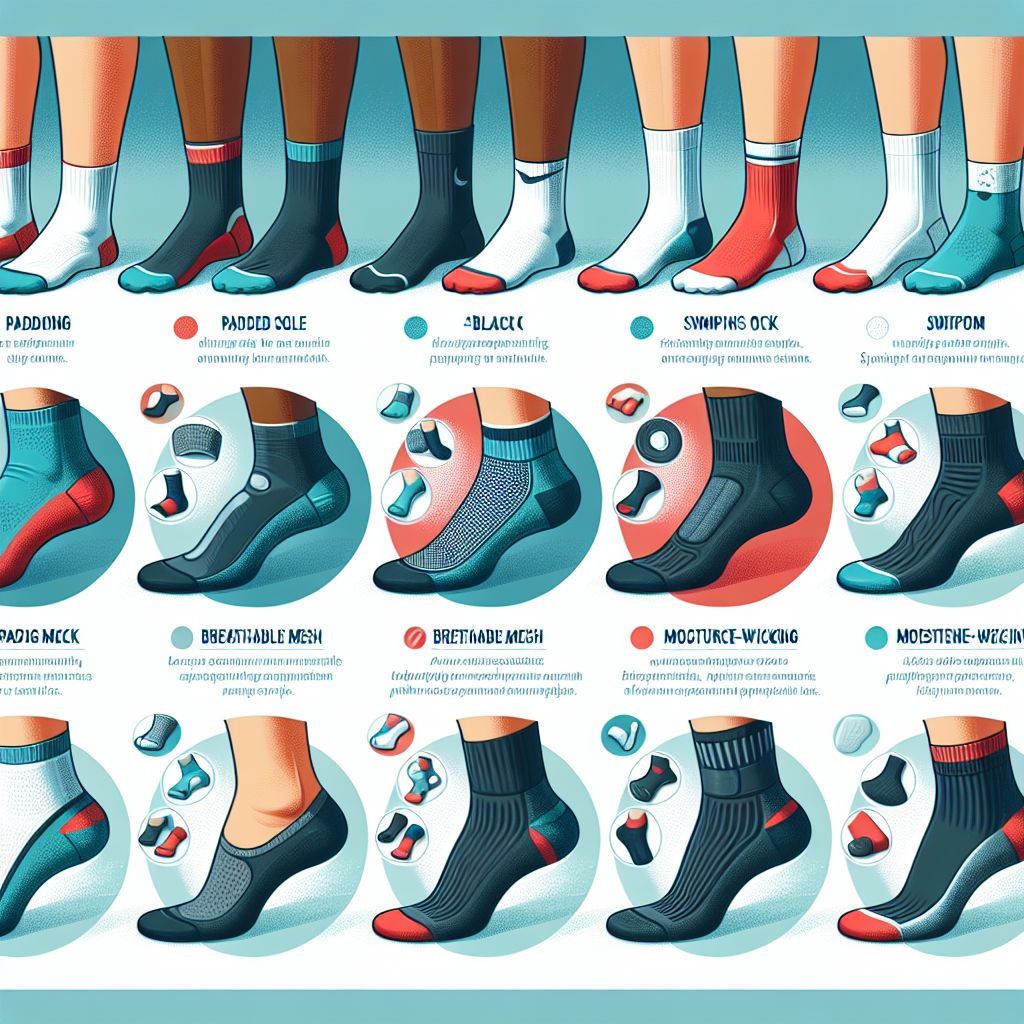
Choosing the perfect swimform diabetic socks involves understanding the key features that cater specifically to diabetic needs. Let’s delve into these features to ensure you make an informed decision.
Non-Binding Tops
Non-binding tops are crucial for diabetic socks. These tops do not constrict the leg, allowing for better blood flow. This is particularly important during water therapies, as the combination of water pressure and tight socks can severely restrict circulation.
Look for socks labeled as having non-binding or loose-fit tops. This feature ensures that your socks stay up without squeezing your legs, providing comfort and safety during your aquatic activities.
Breathable and Quick-Drying Materials
When it comes to water therapies, the material of the socks is incredibly important. Breathable and quick-drying materials help keep your feet dry and comfortable, reducing the risk of fungal infections and skin irritation. Materials like bamboo, merino wool, and specialized synthetic fibers are excellent choices.
Besides that, these materials are designed to wick moisture away from the skin, ensuring that your feet remain dry even during extended periods in the water. This feature is essential for preventing the growth of bacteria and fungi, which thrive in moist environments.
Seamless Construction
Seamless construction in diabetic socks is crucial for preventing irritation and blisters, which can be particularly harmful for diabetic patients. For those interested in water therapies, it’s essential to choose the right socks that offer both comfort and protection. Learn more about assessing the WaterGuard shoe for diabetic pool users to ensure a safe and effective hydrotherapy experience.
-
Prevents friction and irritation.
-
Reduces the risk of blisters and ulcers.
-
Provides a smooth and comfortable fit.
Seamless construction is another vital feature of diabetic socks. Seams can cause friction against the skin, leading to blisters and ulcers, especially for those with sensitive diabetic feet. Seamless socks eliminate this issue by providing a smooth interior that minimizes friction.
When shopping for diabetic socks, always check for seamless designs. This simple feature can significantly enhance your comfort and protect your feet from potential injuries.
Slip Resistance
Slip resistance is a critical feature, particularly for water therapies. Wet surfaces can be slippery, increasing the risk of falls and injuries. Diabetic socks with slip-resistant soles provide better traction, helping you stay safe during your aquatic activities.
Look for socks with rubberized or textured soles. These designs offer better grip on wet surfaces, ensuring that you can move confidently and safely in the water.
Proper Fit and Sizing
Proper fit and sizing are crucial for the effectiveness of diabetic socks. Ill-fitting socks can cause discomfort, restrict circulation, and lead to skin damage. Therefore, it’s essential to choose socks that fit well and provide adequate support without being too tight or too loose.
Always refer to the sizing guide provided by the manufacturer. Measure your feet accurately and choose the size that corresponds to your measurements. Remember, a well-fitting sock is key to maintaining foot health and comfort.
Benefits of Using Diabetic Socks for Water Therapies
Now that we’ve covered the key features to look for, let’s explore the benefits of using diabetic socks during water therapies. These socks offer several advantages that can enhance your overall experience and keep your feet healthy.
Improved Circulation
One of the primary benefits of diabetic socks is improved circulation. Non-binding tops and proper fit ensure that blood flows freely to your feet, which is essential for preventing complications like swelling and ulcers. This is particularly important during water therapies, where water pressure can sometimes affect circulation.
Enhanced Comfort and Cushioning
Diabetic socks are designed with extra cushioning to protect sensitive areas of the feet. This added comfort is beneficial during water therapies, as it reduces the impact on your feet and helps prevent injuries. The cushioning also provides a more comfortable experience, allowing you to focus on your exercise without discomfort.
Reduced Risk of Infections
The breathable and quick-drying materials used in diabetic socks help keep your feet dry, reducing the risk of fungal and bacterial infections. This is crucial in wet environments like swimming pools, where moisture can easily lead to infections. By keeping your feet dry, diabetic socks help maintain optimal foot health.
Protection Against Blisters and Ulcers
Seamless construction and soft materials minimize friction and prevent blisters and ulcers. This protection is vital for diabetic patients, whose feet are more susceptible to injuries. During water therapies, the constant movement can cause friction, making seamless socks an essential choice for preventing skin damage.
Tips for Maintaining and Caring for Diabetic Socks
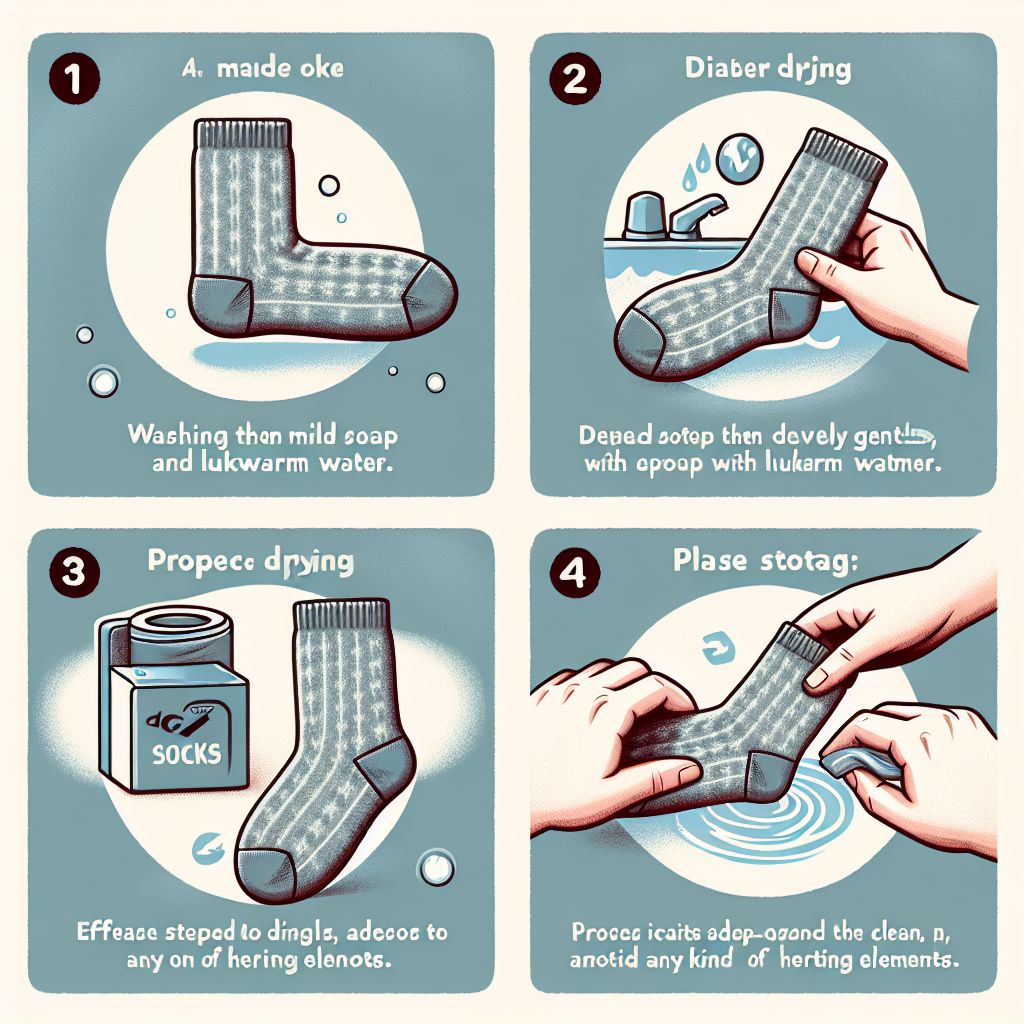
Proper care of your diabetic socks ensures their longevity and maintains their beneficial features. Here are some tips to help you care for your socks effectively:
Proper Washing Techniques
Washing your diabetic socks correctly is crucial to maintaining their quality. Follow these steps to ensure they remain effective:
-
Use a gentle detergent to avoid irritating the skin.
-
Wash in cold or warm water to prevent shrinking and maintain the fabric’s integrity.
-
Avoid using bleach or fabric softeners, as they can damage the material.
-
Turn the socks inside out to protect the outer surface.
By following these washing techniques, you can ensure that your socks remain in good condition and continue to provide the necessary support and protection.
Drying Methods
Proper drying methods are equally important in maintaining the quality of your diabetic socks. Here are some tips for drying them effectively:
First, avoid using a high-heat dryer setting, as it can damage the fabric and elastic components. Instead, opt for a low-heat setting or air dry your socks. Hanging them up or laying them flat to dry is the best option to maintain their shape and elasticity.
Second, ensure that the socks are completely dry before wearing them again. Damp socks can lead to fungal infections and discomfort. By following these drying methods, you can extend the life of your diabetic socks and keep your feet healthy.
Proper Washing Techniques
When it comes to maintaining your diabetic socks, it’s crucial to follow proper washing techniques to ensure their longevity and effectiveness. Regular washing helps to remove bacteria and sweat, which can accumulate and cause infections. For more detailed guidance on maintaining optimal foot health and comfort, check out AquaRelief Diabetic Socks.
Washing your diabetic socks correctly is crucial to maintaining their quality. Follow these steps to ensure they remain effective: Aquarelief diabetic socks offer optimal foot health and comfort.
-
Use a gentle detergent to avoid irritating the skin.
-
Wash in cold or warm water to prevent shrinking and maintain the fabric’s integrity.
-
Avoid using bleach or fabric softeners, as they can damage the material.
-
Turn the socks inside out to protect the outer surface.
By following these washing techniques, you can ensure that your socks remain in good condition and continue to provide the necessary support and protection. For more on maintaining diabetic socks, check out Aquacomfort Socks.
Drying Methods
When it comes to drying your swimform diabetic socks after water therapies, it’s important to use gentle methods to maintain their integrity and effectiveness. Avoid using high heat or direct sunlight, as this can damage the fabric. Instead, consider air drying them in a well-ventilated area. For more tips on maintaining your hydrotherapy gear, check out hydrotherapy’s healing power through water.
Proper drying methods are equally important in maintaining the quality of your diabetic socks. Here are some tips for drying them effectively:
-
Avoid using a high-heat dryer setting, as it can damage the fabric and elastic components. Instead, opt for a low-heat setting or air dry your socks.
-
Hanging them up or laying them flat to dry is the best option to maintain their shape and elasticity.
-
Ensure that the socks are completely dry before wearing them again. Damp socks can lead to fungal infections and discomfort.
By following these drying methods, you can extend the life of your diabetic socks and keep your feet healthy.
When to Replace Your Diabetic Socks
Knowing when to replace your diabetic socks is crucial for maintaining foot health. Over time, wear and tear can reduce their effectiveness, leading to potential complications. It’s important to regularly inspect your socks for signs of damage or wear. If you’re looking for more information on diabetic-friendly socks, check out Hydroheal Socks for an in-depth exploration of their benefits.
Knowing when to replace your diabetic socks is essential to maintain their effectiveness. Over time, even the best socks can wear out and lose their beneficial properties. Here are some signs that it’s time to replace your diabetic socks:
-
Visible wear and tear, such as holes or thinning fabric.
-
Loss of elasticity, causing the socks to slip or bunch up.
-
Persistent odor or stains that do not come out after washing.
-
Decreased comfort or cushioning, leading to discomfort during use.
Regularly inspect your socks for these signs and replace them as needed to ensure your feet remain protected and comfortable.
Conclusion
Summarizing Key Takeaways
Choosing the perfect swimform diabetic socks for water therapies involves understanding the unique needs of diabetic feet and selecting socks with the right features. Look for non-binding tops, breathable and quick-drying materials, seamless construction, slip resistance, and proper fit and sizing. These features will help keep your feet healthy and comfortable during water activities.
Final Recommendations
To sum up, always prioritize your foot health by choosing high-quality diabetic socks that cater to your specific needs. Regularly inspect and care for your socks to maintain their effectiveness. By taking these steps, you can enjoy the benefits of water therapies while keeping your feet safe and healthy. For more information, check out our review on diabetic-friendly aqua socks.
Frequently Asked Questions (FAQ)
1. What Makes Diabetic Socks Different from Regular Socks?
Diabetic socks are designed with specific features to cater to the unique needs of diabetic feet. They typically have non-binding tops, seamless construction, moisture-wicking materials, and extra cushioning. These features help improve circulation, prevent irritation, and reduce the risk of infections and injuries.
2. Can Diabetic Socks Prevent Foot Ulcers?
Yes, diabetic socks can help prevent foot ulcers by providing a protective barrier against friction and pressure. The seamless construction and extra cushioning minimize the risk of blisters and ulcers, while the moisture-wicking materials keep the feet dry and reduce the likelihood of infections.
-
Seamless construction minimizes friction.
-
Extra cushioning protects sensitive areas.
-
Moisture-wicking materials keep feet dry.
3. How Often Should I Replace My Diabetic Socks?
It’s essential to replace your diabetic socks when you notice signs of wear and tear, loss of elasticity, persistent odor or stains, or decreased comfort. Regularly inspecting your socks and replacing them as needed ensures they continue to provide the necessary support and protection for your feet.
4. Are There Specific Brands Recommended for Diabetic Socks?
Several reputable brands offer high-quality diabetic socks, including Dr. Scholl’s, Thorlo, and Sockwell. When choosing a brand, look for those that prioritize the features mentioned earlier, such as non-binding tops, seamless construction, and moisture-wicking materials. Always read reviews and consult with your healthcare provider for personalized recommendations. For more tips on pool safety for diabetics, check out how diabetics can navigate public pools safely.
5. What Should I Do if I Notice Irritation or Discomfort?
If you notice irritation or discomfort while wearing your diabetic socks, take immediate action to address the issue:
-
Remove the socks and inspect your feet for any signs of blisters, redness, or swelling.
-
Switch to a different pair of socks that fit better and provide more comfort.
-
Consult with your healthcare provider if the irritation persists or worsens.
By addressing irritation and discomfort promptly, you can prevent more severe complications and maintain optimal foot health.
Choosing the perfect swimform diabetic socks for water therapies can significantly enhance comfort and safety. These specialized socks are designed to prevent moisture buildup, reduce the risk of infections, and provide a snug fit to avoid blisters. For more details on what to look for in diabetic socks, check out this comprehensive guide.


Leave a Reply