

Key Takeaways
-
Aquatic exercises can significantly improve insulin sensitivity and glucose management for people with diabetes.
-
Engaging in pool workouts can help manage weight, which is crucial for controlling diabetes.
-
Water exercises offer a safe environment for people with diabetic vitiligo, reducing the risk of skin damage.
-
Starting with aquatic exercises requires choosing the right facility, understanding essential gear, and setting achievable goals.
-
Regular monitoring of blood sugar levels before and after pool workouts is important for safe diabetes management.
Dive into Health: Aquatic Exercise Essentials for Diabetic Vitiligo Sufferers
When you have diabetes, every step towards a healthier lifestyle counts. And if you’re also dealing with vitiligo, finding the right kind of exercise that doesn’t aggravate your skin can be challenging. That’s where aquatic exercises come in – a refreshing way to enhance your health without putting undue stress on your body.
Understanding the Dual Impact of Water Workouts
Imagine a workout that not only helps manage your blood sugar levels but also shields your skin from harsh elements. That’s exactly what aquatic exercises do. The buoyancy of water means less impact on your joints, while its resistance challenges your muscles, making it an ideal setting for a full-body workout. And for those with vitiligo, the water acts as a barrier between the skin and external irritants, minimizing the risk of skin trauma.
Therefore, diving into a pool can be more than just a refreshing escape from the heat—it’s a powerful tool in managing diabetes and vitiligo.
A Tailored Approach: Aquatic Exercises for Every Level
No matter your fitness level or experience with exercise, there’s a water workout for you. From gentle water walking to more vigorous aquatic Zumba, the options are plentiful. The key is to start at a level that’s comfortable for you and gradually increase the intensity as your endurance and strength improve.
Why Water Works: Benefits of Aquatic Exercise for Diabetes

Boosting Insulin Sensitivity with Pool Power
Engaging in regular aquatic exercise can lead to better insulin sensitivity. This means your body can better utilize insulin, helping to lower blood sugar levels naturally. It’s a win-win situation: you get to enjoy a splash while taking control of your diabetes.
For example, a study found that people with type 2 diabetes who participated in an aquatic exercise program experienced improved insulin sensitivity and better control of their blood sugar levels.
Because of this, incorporating pool workouts into your routine can be a smart move for managing diabetes.
Glucose Management Through Gentle Movement
Exercise is known to help manage glucose levels, and aquatic exercises are no exception. The water’s resistance makes your body work harder without the need for heavy weights, which is particularly beneficial if you’re just starting out or have physical limitations.
Moreover, the cooling effect of water can prevent overheating, a common concern for those who might find traditional gym workouts challenging.
Weight Control: Beyond Blood Sugar Levels
Besides helping with glucose management, aquatic exercises can also aid in weight control. Excess weight can make it harder to manage diabetes, so finding an enjoyable form of exercise like water aerobics or swimming can help you shed pounds or maintain a healthy weight, all while being gentle on the body.
Most importantly, by combining fun and fitness, you’re more likely to stick with your exercise regimen in the long run.
The Protective Environment of the Pool
For those with diabetic vitiligo, the pool provides a sanctuary that is both healing and protective. The water shields your skin from the sun’s harsh UV rays, which can exacerbate vitiligo patches. It also minimizes the impact on your feet, a common site of complications for diabetes, by providing a soft, supportive environment that reduces the risk of cuts and bruises.
Getting Started: Your First Splash into Aquatic Fitness
-
Find a local pool with suitable facilities, including a temperature-controlled environment.
-
Invest in the right gear: swimsuit, water shoes, and if necessary, UV-protective clothing.
-
Consult with your healthcare provider before beginning any new exercise regimen.
-
Start slowly, with short sessions, and gradually increase the duration as your fitness improves.
-
Consider joining a class or finding a workout buddy for motivation and support.
Embarking on your aquatic fitness journey can be as simple as taking that first step into the pool. But remember, it’s not just about jumping in; it’s about making a plan that aligns with your health needs and fitness level.
Start with low-intensity activities like walking in the shallow end or participating in a beginner’s water aerobics class. These will help you get used to the water’s resistance and the unique way your body moves in it.
As you grow more comfortable, you can gradually introduce new exercises or increase the intensity. Always listen to your body and give yourself permission to take it easy when needed.
Choosing the Right Aquatic Center
Choosing the right aquatic center is crucial for a successful and enjoyable workout experience. Look for a facility that maintains its pools with proper hygiene and temperature control—too cold and your muscles could seize up; too warm and you might overheat. Facilities with advanced water softening systems can enhance the experience for those with sensitive skin conditions.
Essential Gear for Your Aquatic Journey
Before diving in, let’s talk gear. You’ll need a comfortable swimsuit that provides the right support and coverage. If you’re self-conscious about vitiligo patches, UV-protective clothing can offer both skin protection and confidence. Don’t forget water shoes to prevent slipping and to protect your feet from rough pool bottoms.
For those who want to track their progress, consider a waterproof fitness tracker. It can monitor your heart rate, count your laps, and even track your blood sugar levels if it’s equipped with the right features.
Setting Realistic Goals and Expectations
Set goals that are realistic and achievable. Maybe it’s swimming a certain number of laps without stopping, or simply completing a water aerobics class. Whatever your goals, make sure they are specific, measurable, and time-bound.
Remember, managing diabetes and vitiligo is a marathon, not a sprint. Celebrate the small victories along the way—they add up to significant progress over time.
Designing Your Aquatic Workout Plan
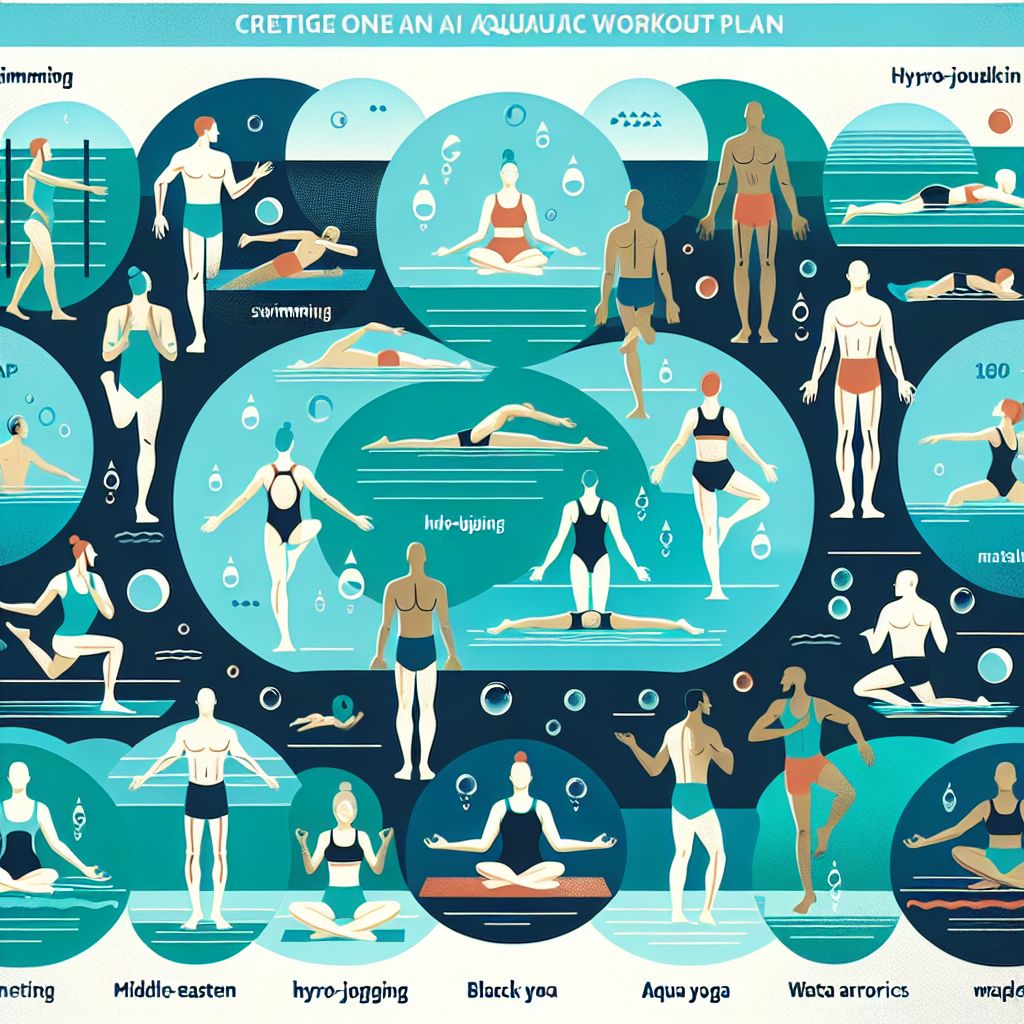
Your aquatic workout plan should be a balanced mix of cardiovascular exercises, strength training, and flexibility moves. A typical session might include a warm-up, a set of aerobic exercises, resistance training, and a cool-down with stretches.
Warm-Up and Cool-Down Tactics: Essential for Safety
Never skip your warm-up. Start with gentle movements like arm circles and leg swings to get your blood flowing. This prepares your muscles and heart for the workout ahead. After your workout, cool down with slow, stretching movements to prevent muscle soreness and stiffness.
Include exercises that mimic everyday movements, such as squatting and reaching, to improve your functional fitness. This helps in performing daily activities with ease, which is especially important for maintaining independence as you manage diabetes.
Variety is the Spice of Life: Mixing Up Your Routine
Keep your routine interesting by mixing up your exercises. Try different strokes when swimming or use foam dumbbells for resistance training. Not only does this prevent boredom, but it also challenges your body in new ways, leading to better fitness gains.
Monitoring Progress: Keeping Track of Your Health Metrics
Monitoring your blood sugar levels before and after your aquatic workouts is crucial. It helps you understand how your body responds to exercise and ensures you stay within a safe range. Keep a log of your levels, along with notes on how you felt during the workout, to share with your healthcare provider.
Sample Water Exercises for Diabetes and Vitiligo
Water walking is a great starter exercise. Begin in the shallow end where your feet can touch the ground and gradually move into deeper water as you gain confidence. The resistance of the water will increase the intensity of the workout without adding strain on your joints.
For a more challenging workout, try jogging in place or doing knee-high lifts. The water’s buoyancy will support your weight, making these exercises less jarring on your body than on land. Learn more about diabetic hydrotherapy benefits for a safe and effective aquatic workout.
Low-Impact Treasure: Water Walking and Jogging
Water walking and jogging are the cornerstones of aquatic exercise. They’re simple, effective, and can be done at your own pace. Start with 10-minute sessions and work your way up, increasing the duration as your endurance improves.
For an added challenge, try incorporating intervals. Alternate between one minute of brisk walking and one minute of slower, recovery walking. This interval training can boost your cardiovascular fitness and calorie burn.
Strength Building: Resistance Exercises in Water
Resistance exercises in water can help build muscle strength without the need for heavy weights. Use foam dumbbells, water noodles, or even the natural resistance of the water to perform bicep curls, chest presses, and leg kicks. These movements will help you build strength while being gentle on your body.
Fun and Fitness: Aquatic Zumba and Aerobics
For a splash of fun in your workout routine, give aquatic Zumba and aerobics a try. These energetic classes set to music provide a lively and social atmosphere that makes exercise feel like a party in the pool. Not only will you be boosting your heart rate and burning calories, but you’ll also be enjoying every minute of it.
These classes are often adaptable to different fitness levels, ensuring everyone can participate. The dance-like movements help improve coordination and flexibility, while the water’s resistance ensures a full-body workout. Plus, the upbeat music and group setting make the time fly by!
Aquatic Zumba and aerobics are also excellent for stress relief. As you groove to the music and follow the instructor’s moves, you’ll find yourself smiling and laughing, releasing all the day’s tension. It’s a great way to combine emotional well-being with physical health, all while keeping your blood sugar in check.
Remember, it’s important to stay hydrated even when exercising in water. Keep a bottle of water at the edge of the pool and take breaks as needed. And most importantly, have fun with it!
-
Start with basic moves and gradually incorporate more complex routines.
-
Communicate with your instructor about your fitness level and any concerns.
-
Keep track of your blood sugar levels to ensure they remain stable throughout the workout.
-
Stay hydrated and take breaks when necessary.
-
Enjoy the social aspect of these classes and use it as a motivation to keep attending.
Overcoming Challenges: Tips for a Smooth Aquatic Transition
Moving your exercise routine to the water can come with its own set of challenges, especially when managing diabetes and vitiligo. But with a few adjustments and precautions, you can overcome these hurdles and make the most of your aquatic workouts.
Dealing with Fluctuating Blood Sugar Levels During Exercise
Exercise can cause blood sugar levels to fluctuate. To manage this, check your blood sugar before and after your aquatic sessions. If you’re taking insulin or other medications that lower blood sugar, you might need to adjust your dose on days you exercise. Keep a fast-acting carbohydrate snack, like fruit or a small juice box, at the poolside in case your blood sugar drops too low during your workout.
Addressing Skin Sensitivity and Pool Chemicals
If you have vitiligo, your skin may be more sensitive to chlorine and other pool chemicals. To protect your skin, rinse off in fresh water before and after swimming. Applying a gentle, waterproof sunscreen can also provide a barrier against both the chemicals and the sun. If irritation occurs, consult with your dermatologist for skincare products that are safe to use in conjunction with your condition.
Choosing a pool that uses saltwater or UV filtration can also reduce exposure to harsh chemicals. Don’t hesitate to ask your local pools about their cleaning and maintenance practices—it’s important for your skin health.
Maintaining Motivation and Consistency
Consistency is key in any exercise regimen, but it’s common to hit a motivational wall now and then. To keep your aquatic exercises enjoyable and engaging, set small, achievable goals and celebrate when you reach them. You might also try changing up your routine or inviting a friend to join you for added accountability and fun.
FAQ: Answering Your Common iQuestions on Aquatic Exercise
It’s natural to have questions when starting a new exercise routine, especially one that’s as unique as aquatic exercise. Here are some answers to frequently asked questions that can help guide you on your journey.
1. How Often Should I Perform Aquatic Exercises?
For most people, aiming for at least 150 minutes of moderate-intensity exercise per week is recommended. This could translate to 30 minutes of aquatic exercise, five days a week. However, your specific needs may vary, so it’s essential to tailor your routine to your personal health goals and physical capabilities.
2. Can Water Exercise Completely Replace Other Forms of Activity?
While aquatic exercises offer many benefits, it’s also important to incorporate a variety of activities into your routine. This can include walking, cycling, or strength training. A diverse exercise regimen can ensure that you’re working different muscle groups and not missing out on other fitness benefits.
3. What Precautions Should I Take if I Have Sensitive Skin?
If you have sensitive skin or vitiligo, take extra care to protect your skin. Use hypoallergenic sunscreen, wear protective clothing, and choose pools that use gentler cleaning methods. It’s also a good idea to moisturize your skin before and after swimming to prevent dryness.
4. Are There Specific Diets I Should Follow While Engaging in Aquatic Therapy?
There’s no one-size-fits-all diet for aquatic therapy, but a balanced diet that helps manage blood sugar levels is key. Focus on whole foods, like fruits, vegetables, lean proteins, and whole grains. Stay hydrated, and consider consulting a dietitian to create a meal plan that complements your exercise routine.
5. How Can I Track the Effectiveness of My Water Workouts for My Conditions?
To track the effectiveness of your aquatic workouts, monitor your blood sugar levels, keep an exercise log, and note any changes in your vitiligo. Also, pay attention to how you feel overall. Improvements in energy levels, mood, and sleep quality can all be indicators of your workouts’ success.


Leave a Reply